


-

Add: HeBei ShengShi HongBang Cellulose Technology CO.,LTD.
-

Email
13180486930@163.com -

CONTACT US
+86 13180486930

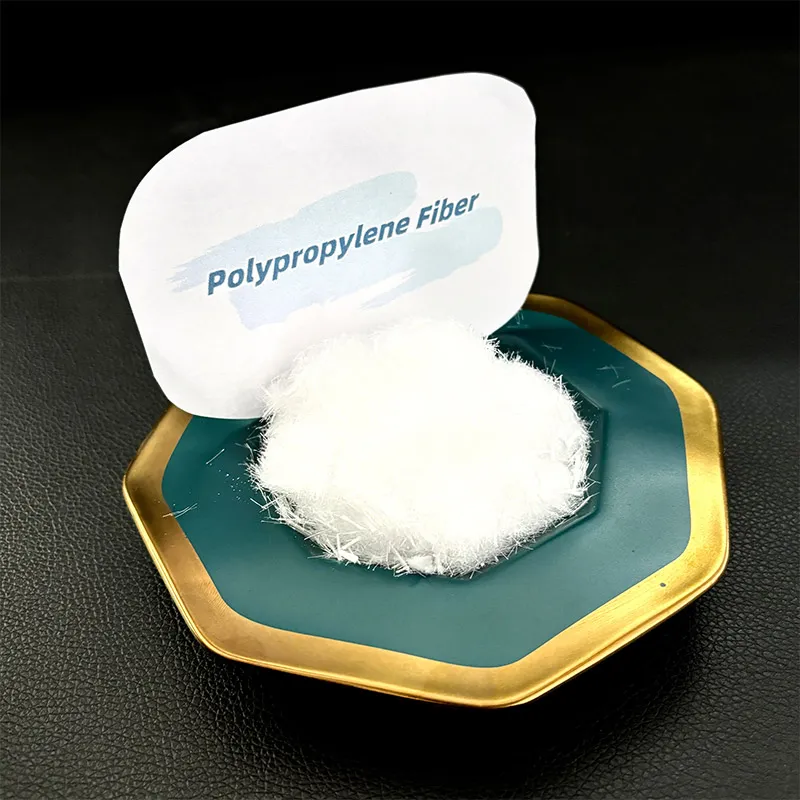
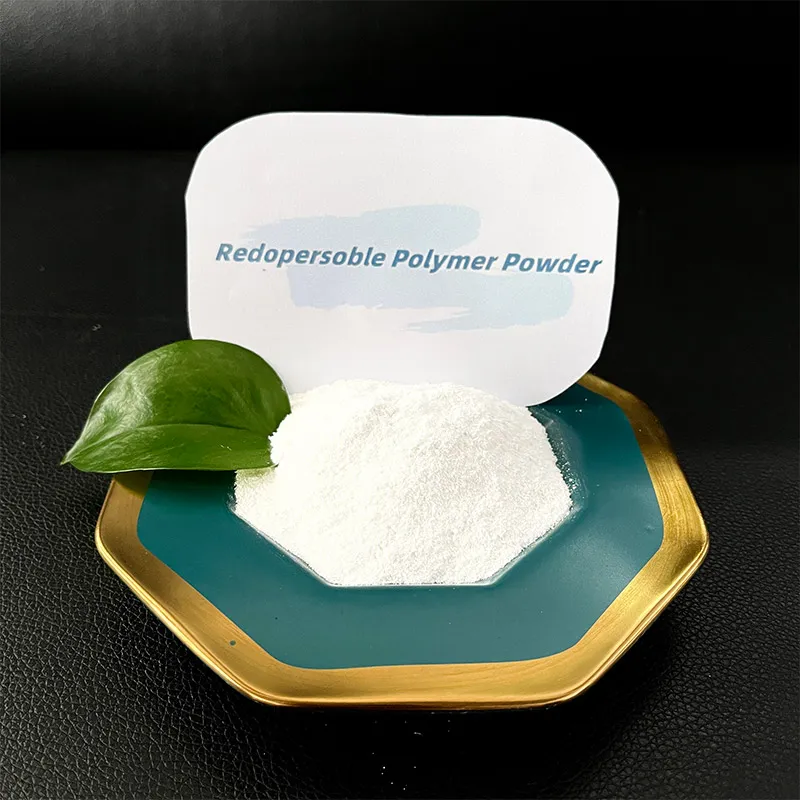


When it comes to enhancing the durability and strength of concrete, polypropylene fiber is an indispensable material. Known for its lightweight, corrosion-resistant properties, polypropylene fiber is widely used in construction to reinforce concrete, making it stronger, more durable, and more flexible. The addition of polypropylene fiber improves the overall performance of concrete by reducing cracking, improving freeze-thaw resistance, and providing better impact resistance. Whether you're working on large-scale infrastructure projects or residential buildings, incorporating polypropylene fiber into your concrete mix ensures high-quality, long-lasting results. Polypropylene Fiber in Concrete: Revolutionizing the Industry Polypropylene fiber in concrete is becoming a standard practice for improving the structural integrity of concrete mixes. When added to concrete, polypropylene fiber in concrete helps reduce the risk of microcracking, which can occur due to shrinkage or thermal stresses. The fibers disperse evenly throughout the mix, creating a more uniform and cohesive material. As a result, polypropylene fiber in concrete enhances the concrete’s durability and toughness, especially in high-stress environments like industrial flooring, highways, and bridges. With the increasing demand for sustainable construction, polypropylene fiber in concrete offers an affordable, eco-friendly solution for improving material performance. Find Quality Polypropylene Fiber for Sale Are you looking for polypropylene fiber for sale ? Look no further! We offer high-quality polypropylene fiber that meets the needs of various industries, especially in construction. Whether you’re looking to reinforce concrete, improve asphalt, or enhance other building materials, we have the right polypropylene fiber for sale for your project. Available in various grades and specifications, our polypropylene fiber products are designed to offer excellent performance, ease of use, and long-lasting results. Browse our selection of polypropylene fiber for sale and find the perfect match for your needs today! Understanding the Factors Behind Polypropylene Fiber Price The polypropylene fiber price can vary based on several factors, including the quality of the fiber, the quantity purchased, and the supplier. Typically, polypropylene fiber price is determined by the raw materials used, the manufacturing process, and the specific properties of the fiber. While polypropylene fiber price may differ between suppliers, investing in high-quality fibers ensures long-term benefits in terms of strength and durability. If you’re looking for the best value for your project, we offer competitive polypropylene fiber price s without compromising on quality. Contact us to discuss your requirements and get the most cost-effective solution for your concrete reinforcement needs. Why Choose Our Polypropylene Fiber for Your Construction Needs? Our polypropylene fiber products are carefully manufactured to meet the highest standards of quality and performance. Whether you need polypropylene fiber for sale in bulk for a large construction project or in smaller quantities for a specialized application, we can cater to your specific needs. With outstanding benefits like increased crack resistance, reduced shrinkage, and enhanced concrete durability, our polypropylene fiber is the perfect choice for improving the structural integrity of concrete. We offer highly competitive polypropylene fiber price s, ensuring that you get the best value for your investment. Trust us to provide top-quality polypropylene fiber for all your construction needs. Polypropylene Fiber FAQs What is polypropylene fiber used for in concrete? Polypropylene fiber in concrete is primarily used to enhance the strength and durability of the material. It helps prevent cracking by controlling shrinkage, improving impact resistance, and increasing freeze-thaw durability. By distributing evenly throughout the concrete mix, polypropylene fiber provides reinforcement that makes the concrete more resistant to stress and wear, resulting in longer-lasting structures. Where can I buy polypropylene fiber for sale? We offer a wide selection of polypropylene fiber for sale that meets the highest standards of quality, ensuring you get the best product for your concrete reinforcement needs. Browse our collection today and take advantage of our competitive prices. How does polypropylene fiber improve concrete? Polypropylene fiber improves concrete by enhancing its structural properties. It helps prevent cracking due to shrinkage, reduces the likelihood of surface wear, and improves the concrete’s resistance to water damage. Additionally, polypropylene fiber increases the material’s ability to withstand thermal and mechanical stresses, making it ideal for a wide range of applications in construction. What factors affect the polypropylene fiber price? The polypropylene fiber price is influenced by factors such as the grade of the fiber, the quantity purchased, and the supplier. High-quality polypropylene fiber designed for heavy-duty applications may have a higher price, while bulk purchases may lower the price per unit. We offer competitive polypropylene fiber price s, ensuring you get the best quality for your budget. Contact us for customized pricing based on your needs. Why should I choose your polypropylene fiber for my project? Our polypropylene fiber is designed for superior performance, offering outstanding crack resistance, durability, and flexibility in concrete. Whether you need polypropylene fiber for sale for a large construction project or a small-scale application, our products meet the highest industry standards. We provide polypropylene fiber at competitive prices, ensuring that you receive great value without compromising on quality. Trust us to deliver the best solution for your concrete reinforcement needs.
- 40000tons

Production
- 20+years

Experience
- 5000+㎡

Acreage

-

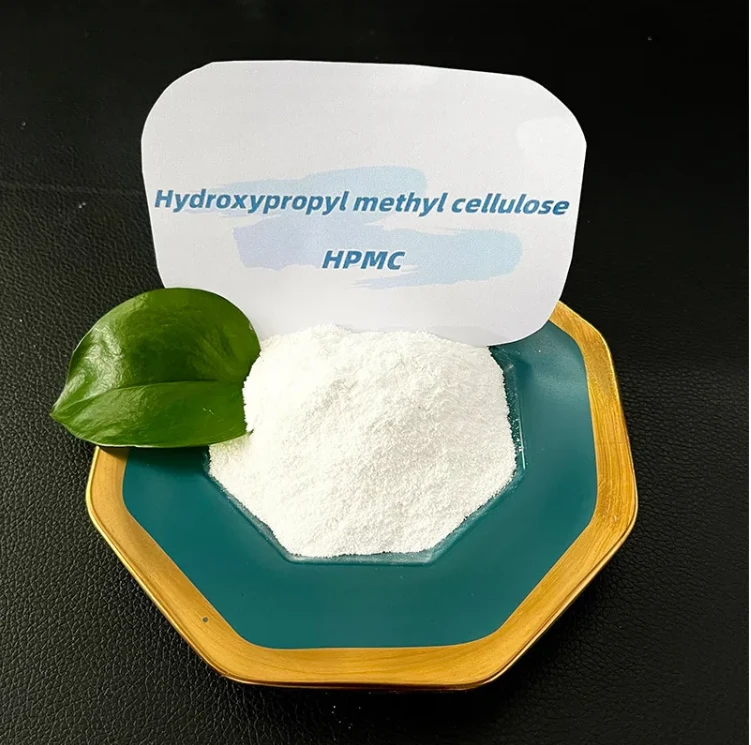
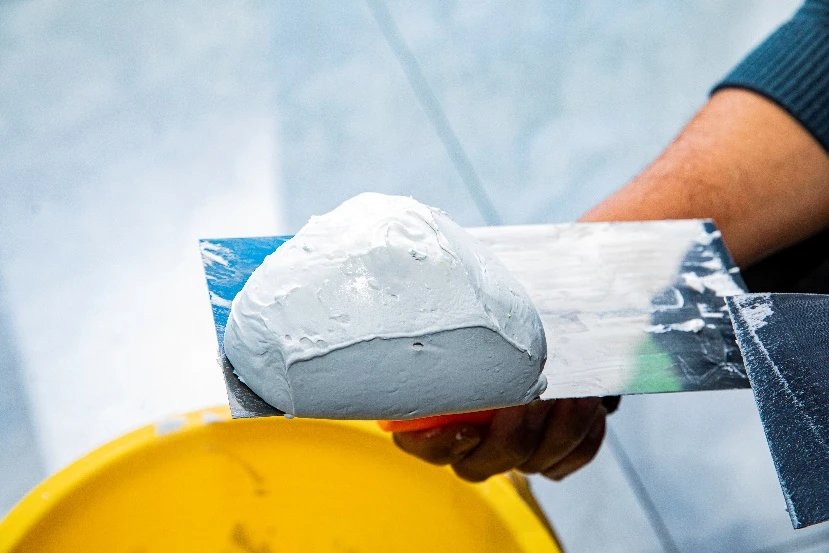
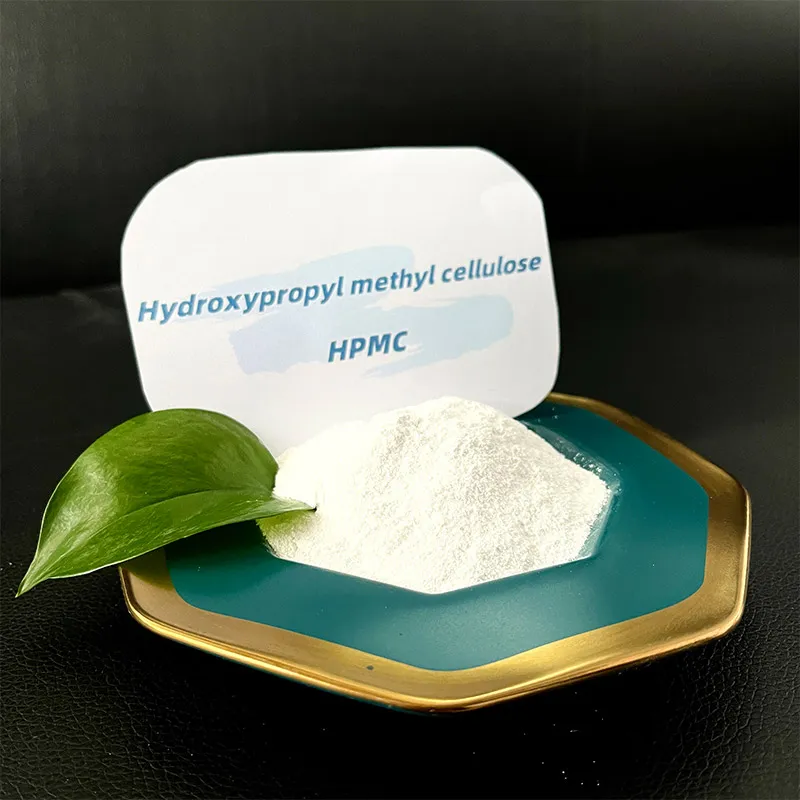
Hydroxypropyl methylcellulose (HPMC) is a versatile polymer extensively used across various industries due to its water solubility and exceptional properties. As a water-soluble polymer, HPMC is particularly valued for its ability to dissolve in both hot and cold water, making it an essential component in many formulations. Experience-based insights reveal that the solubility of HPMC in water is predominantly influenced by its methoxy and hydroxypropyl content. The balance of these groups determines not only its solubility but also its viscosity and gelation behavior. Through practical application, it is evident that HPMC easily dissolves in water without the need for high temperatures, enhancing its usability in industrial applications where simplicity and efficiency are paramount. From an expertise angle, professionals working with HPMC understand that its molecular structure is critical to its performance. The etherification of cellulose with methyl and hydroxypropyl groups allows HPMC to exhibit unique characteristics such as forming colloidal solutions and stabilizing emulsions and suspensions. In pharmaceutical formulations, for instance, HPMC acts as a controlled-release agent due to its gel-forming properties in aqueous environments. is hpmc soluble in water In terms of authoritativeness, research and standardizations have consistently shown that HPMC complies with numerous health and safety regulations, underscoring its reliability and widespread acceptance. The polymer's solubility in water without precipitating makes it an excellent candidate for pharmaceuticals, food products, and personal care items. It maintains stability and consistency, crucial for products that require precise specifications and quality assurances. Trustworthiness is further reinforced by HPMC's long history of safe use, backed by comprehensive studies documenting its non-toxic and biodegradable nature. Industries rely on HPMC not just for its functional advantages but also for its sustainable profile, which aligns with growing global demands for environmentally friendly materials. The polymer's predictable behavior and safety profile ensure that manufacturers maintain product integrity, earning consumer confidence and trust. Conclusively, hydroxypropyl methylcellulose's solubility in water makes it a highly adaptable polymer for various applications . Its ability to form gels and stabilize products, combined with its compliance with safety standards, positions it as a valuable ingredient across multiple sectors. The interplay of experience, expertise, authoritativeness, and trustworthiness positions HPMC as a reliable choice for enhancing product performance and delivering quality solutions in an increasingly competitive market.
-
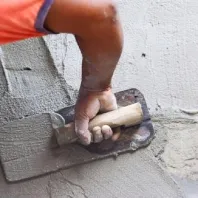
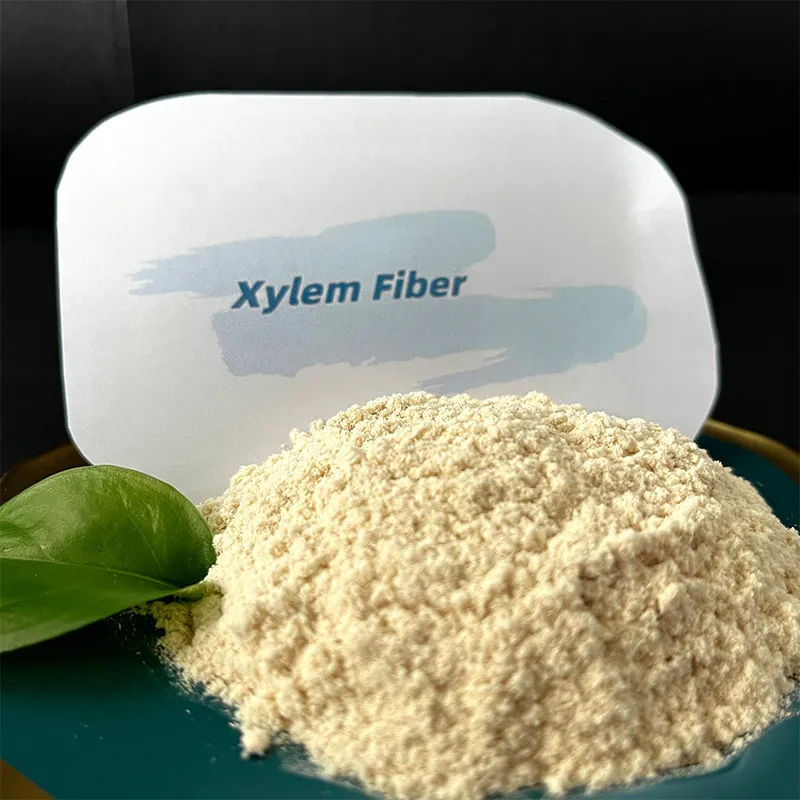
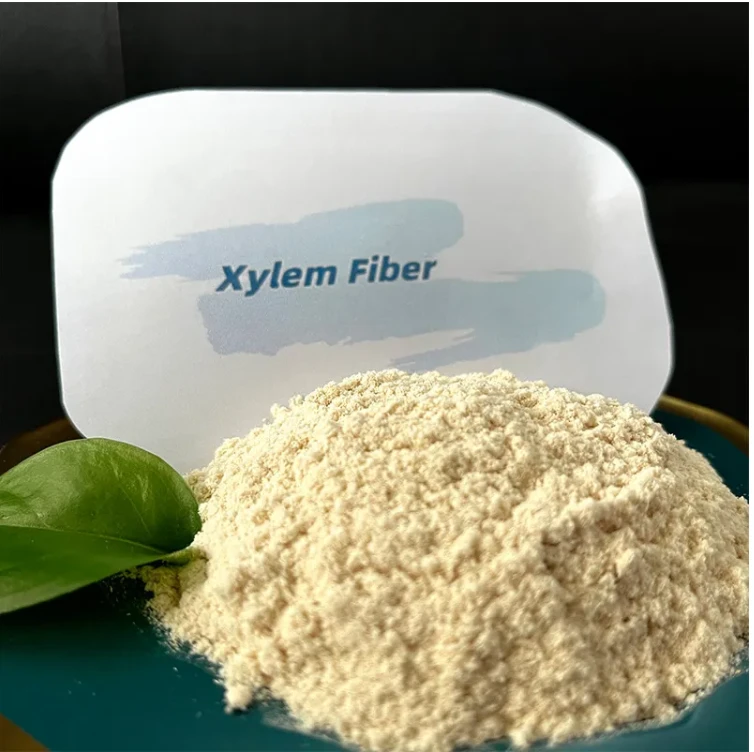
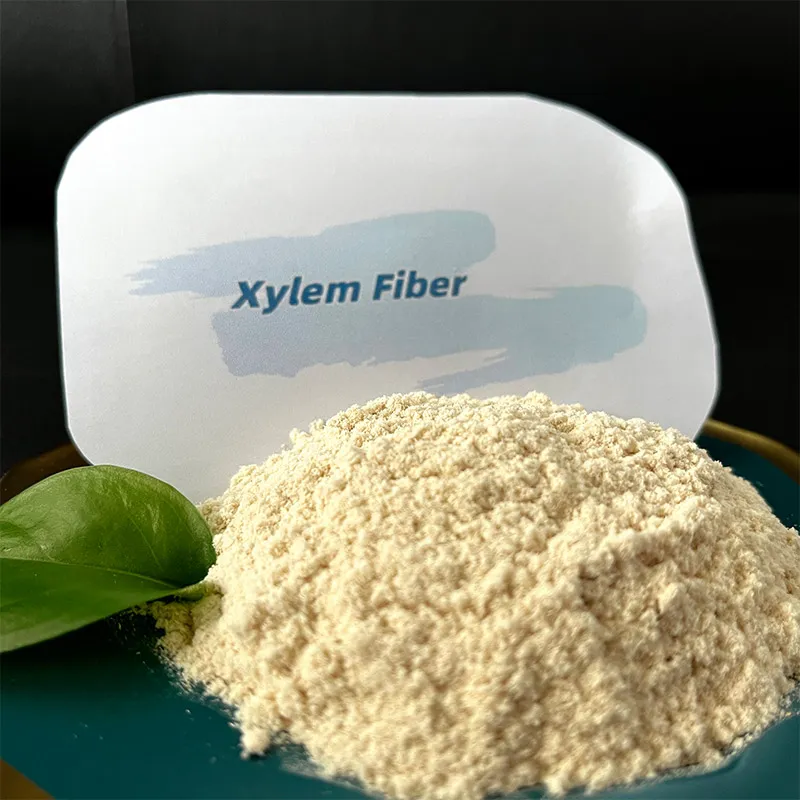
In today’s age of sustainable manufacturing and eco-conscious innovation, wood cellulose has gained immense relevance across diverse industries. Extracted primarily from plant cell walls, wood cellulose fiber stands out as a natural polymer known for its strength, flexibility, and biodegradability. From construction to textiles, and even personal care, this organic material is changing the way manufacturers approach product performance and environmental impact. Unlike synthetic fibers, wood cellulose is renewable, making it a cornerstone in the evolution of green materials. Its unique chemical structure gives it superior compatibility with other natural and synthetic materials, allowing wide-ranging applications without sacrificing quality or performance. Industries now rely on wood cellulose fiber as a cost-effective, eco-friendly alternative in formulations such as plasterboard, adhesives, coatings, personal hygiene items, and building materials. Because it can absorb and retain water while offering excellent reinforcement, its use is both economical and technically valuable. Understanding the Role of Xylem Fiber in Wood Cellulose Production The source of wood cellulose lies deep within plant structures, particularly in what is known as xylem fiber . These fibers are the water-conducting vessels of vascular plants and form the bulk of wood matter. Xylem fiber is rich in cellulose, and once processed, yields high-purity wood cellulose fiber suitable for commercial use. Harvesting and refining xylem fiber involves a meticulous process that removes lignin and other non-cellulosic components. This results in a product with increased whiteness, flexibility, and hydrophilic properties, making it ideal for industrial applications. Whether used in dry-mix mortars or daily chemical products, this purified wood cellulose enhances workability, improves consistency, and ensures thermal stability. As more manufacturers strive to balance performance with sustainability, xylem fiber continues to demonstrate its superior efficiency and ecological advantage. Its use reinforces the global trend toward adopting plant-derived solutions over petrochemical-based alternatives. The Difference Between Sawdust and Wood Cellulose You Should Know One of the most common misconceptions is the difference between sawdust and wood cellulose . While both originate from wood, they differ significantly in composition, processing, and end-use. Sawdust is the coarse byproduct of mechanical woodworking, consisting mainly of wood particles, bark, and possibly contaminants. In contrast, wood cellulose is refined, purified, and chemically processed to isolate the cellulose fibers from lignin and hemicellulose. Understanding the difference between sawdust and wood cellulose is critical when selecting materials for manufacturing or formulation purposes. Sawdust cannot provide the uniformity, solubility, or performance-enhancing properties that wood cellulose fiber offers. The latter is tailored to specific applications like enhancing viscosity in adhesives or acting as a binder in construction materials. When purity and performance matter, wood cellulose is the superior choice. It undergoes rigorous chemical treatment and screening to ensure the material's consistency, safety, and functionality across all use cases, something sawdust simply cannot match. Why Wood Cellulose Fiber Is Dominating the Industrial Market From construction to personal care, the dominance of wood cellulose fiber in modern industry cannot be overstated. Thanks to its unique properties—such as moisture retention, film-forming ability, and thermal insulation—it is preferred in numerous applications ranging from cementitious products to cosmetic creams. In the building industry, wood cellulose fiber improves the workability and adhesion of mortar and plaster. In daily chemical goods, its thickening and stabilizing properties enhance the feel and shelf life of products. Its biodegradability also ensures that products made with wood cellulose fiber leave minimal environmental footprint, aligning with today’s green production goals. Moreover, wood cellulose is highly compatible with other substances like starch ether and HPMC, commonly used in dry-mix systems. This makes it an irreplaceable additive in tile adhesives, wall putty, and EIFS (external insulation and finish systems). Its natural origin and performance advantages give it an edge over synthetic alternatives. Applications and Market Outlook for Wood Cellulose and Xylem Fiber The global demand for wood cellulose and xylem fiber continues to rise, driven by increasing emphasis on eco-friendly materials and biodegradable solutions. Industries are leveraging these fibers to meet sustainability standards while enhancing product quality. In paper manufacturing, wood cellulose fiber is the primary raw material used to achieve high whiteness and printability. In agriculture, it serves as a soil conditioner that retains water and improves aeration. The paint and coatings industry uses it to stabilize emulsions and improve spreadability. Even in personal care products, wood cellulose finds its place as a thickening agent in lotions, shampoos, and toothpaste. Thanks to its versatility and eco-benefits, wood cellulose is expected to remain a critical material in green technologies. Companies investing in high-purity xylem fiber sourcing and innovative processing methods are likely to gain a significant market advantage in the coming years. Xylem fiber FAQs What is the main difference between wood cellulose and xylem fiber? Xylem fiber is the structural component of vascular plants responsible for transporting water, whereas wood cellulose is a processed derivative of these fibers. The cellulose is extracted from xylem fiber through chemical and mechanical processing to yield a purified product used in industrial applications. Can wood cellulose replace synthetic polymers in industrial use? Yes, wood cellulose fiber can effectively replace many synthetic polymers, especially in applications that require biodegradability, moisture retention, or thickening. It offers comparable performance with a much lower environmental impact, making it ideal for green manufacturing. Is there any overlap between sawdust and wood cellulose in use? Not really. While both come from wood, sawdust is a raw byproduct used mainly for low-grade applications like animal bedding or fuel. Wood cellulose , on the other hand, is chemically refined for high-performance industrial applications, making them fundamentally different in quality and use. How is wood cellulose used in construction materials? In the construction industry, wood cellulose fiber is added to dry-mix mortar, tile adhesives, and plasters to enhance workability, water retention, and bonding strength. It improves the rheological properties of the mixture, resulting in smoother application and longer open time. Why is wood cellulose considered environmentally friendly? Wood cellulose is biodegradable, renewable, and derived from natural sources. Unlike petroleum-based materials, it decomposes safely in the environment and does not contribute to long-term pollution. Its use supports sustainable industrial practices and reduces carbon footprint.
advantages
-

200000 Viscosities
Excellent product
We can produce pure products up to 200,000 viscosities
-

40000 tons
High yield
We don’t stop production all year round, and the annual output can reach 40,000 tons
-

24 hours
Quality service
We provide 24-hours online reception service, welcome to consult at any time
———— Inquiry Form
Schedule A services
-
 hpmc_church
Oct . 25, 2025
Hydroxypropyl Methylcellulose (HPMC) has become an indispensable component in various industries due -
 macro_synthetic_fiber_reinforced_concrete
Oct . 25, 2025
Understanding HPMC Adhesive for Tiles An In-Depth Overview Tile installation is a critical aspect of -
 hidroximetilcelulosa
Oct . 25, 2025
Delving into the realm of skincare often feels like navigating a maze, replete with a plethora of in


